Studio Workhorses
Shooting 120 roll film requires larger mechanics, stronger springs, and massive glass elements. Medium format cameras defined high-end editorial and portrait photography.
The TLR Design
Twin Lens Reflex (TLR) cameras utilize two lenses of identical focal length. The bottom lens exposes the film, while the top lens projects the image onto a ground glass viewing screen via a fixed 45-degree mirror. Mechanically simpler than SLRs (no moving mirror), they are incredibly durable.
Modular Cubes
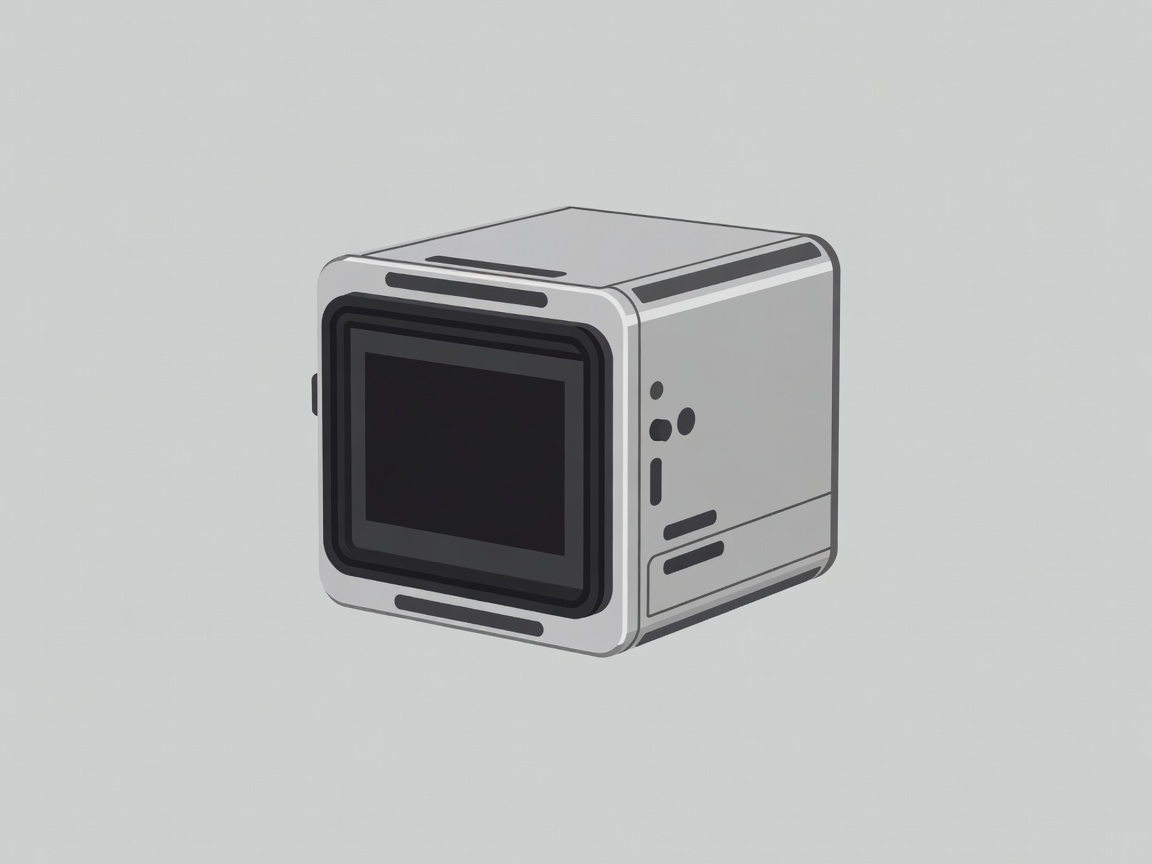
Systems like the Hasselblad V-System are essentially mechanical cubes. The body houses the mirror and auxiliary shutter flaps, while the lens houses the primary leaf shutter. Cocking the camera requires a heavy, geared rotation to reset both body and lens simultaneously.
Leaf Shutters
Unlike focal plane shutters, leaf shutters are located inside the lens. They consist of interlocking metal blades that spring open and shut. This allows for flash synchronization at any speed, a vital requirement for studio photographers.
The Film Back Mechanism
One of the most complex mechanical components of a modular medium format camera is the film back. It must maintain perfect film flatness across a massive 6x6cm or 6x7cm gate without a pressure plate binding the film.
Film backs contain their own intricate gearing to ensure the film advances exactly the correct distance for each frame, accounting for the increasing thickness of the take-up spool as film winds onto it.