Street Photography Icons
Stealthy, compact, and possessing an entirely different focusing paradigm, rangefinders are prized by collectors for their optical and mechanical elegance.
The Triangulation Mechanism
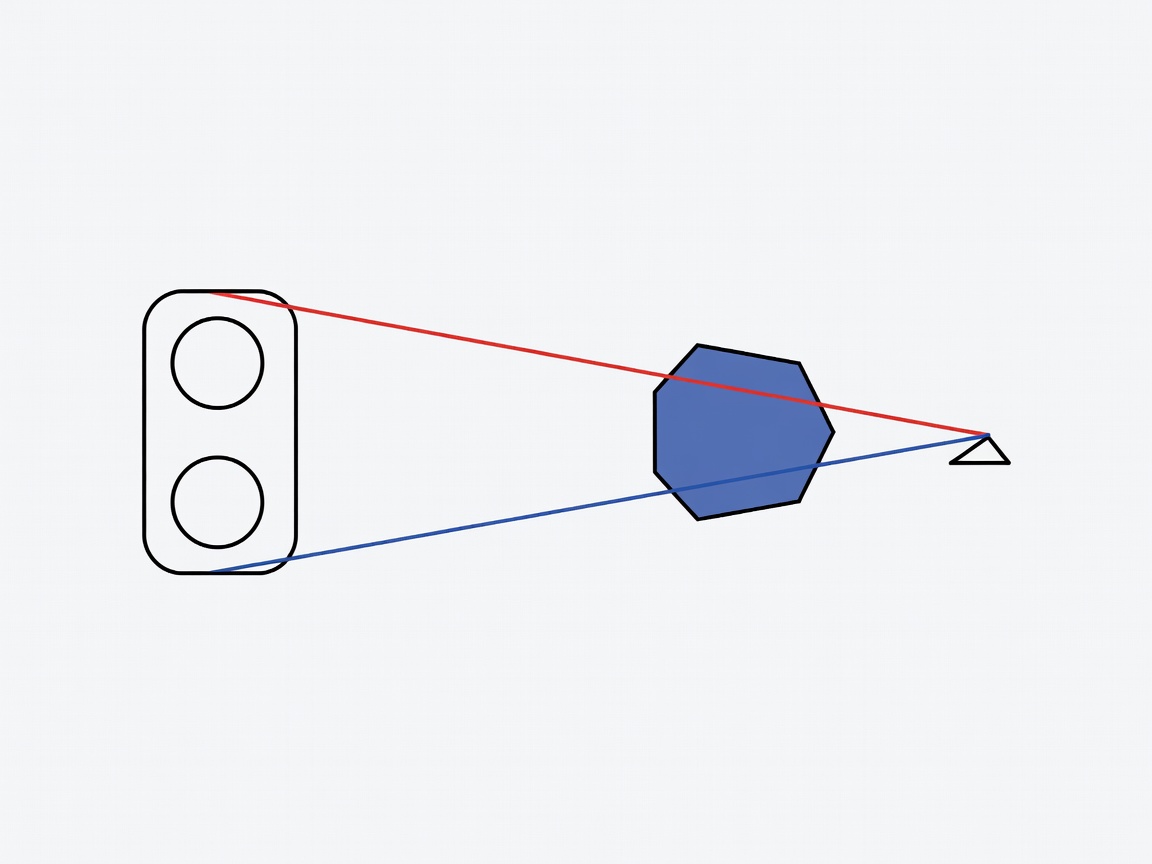
A rangefinder works on the principle of triangulation. Two separate windows sit on the front of the camera. The main viewfinder provides the framing, while a secondary smaller window (the rangefinder patch window) captures the same scene from a slightly different angle.
Inside the top plate, a pivoting prism or mirror assembly overlays the two images. As you turn the focus ring on the lens, a mechanical cam pushes against a roller inside the camera mount. This roller physically pivots the internal optics. When the two ghosted images perfectly align in the viewfinder, the subject is in focus.
Mechanical Calibration
Because the focusing mechanism relies on a physical roller transferring motion from the lens to the top-plate optics, calibration is critical. Over decades, the brass cams can wear down by fractions of a millimeter, leading to back-focus or front-focus issues. Collectors often send these units to specialized mechanics to have the rangefinder patched re-aligned.
Benefits Over SLRs
- No Mirror Slap: Allowing for hand-held shots at much slower shutter speeds (e.g., 1/15th of a second).
- Continuous View: The viewfinder never blacks out during the exposure.
- Compact Lenses: Without a mirror box, the rear element of the lens can sit very close to the film plane.